How to get work from general contractors: what a GC checks first
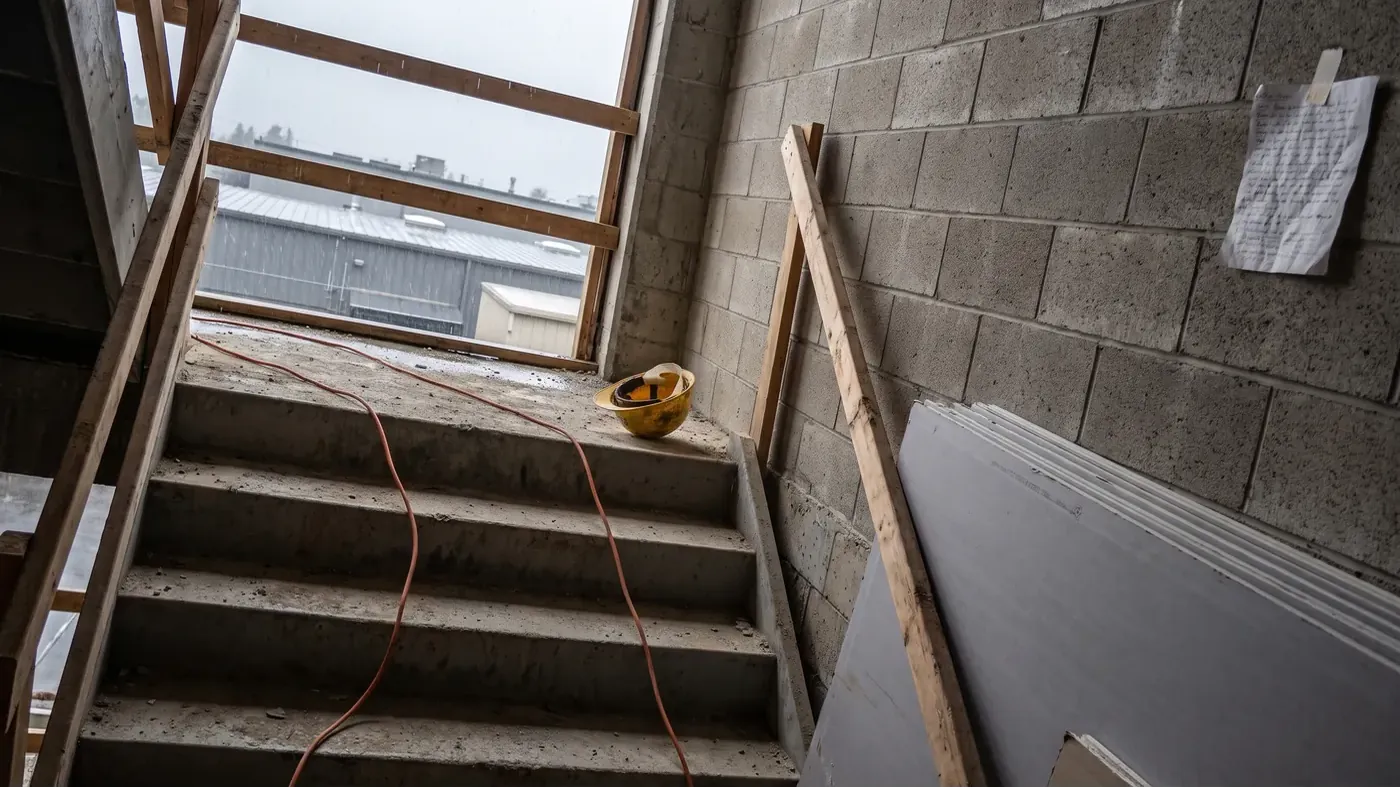
General contractors hand repeat work to the subs who cost them the least attention. Your price gets you into the conversation, and everything after it is whether the GC can give you a date and then stop thinking about you.
What the GC is actually buying
A general contractor spends his day holding a schedule together across trades he does not employ. Every sub he hires is one more place that schedule can break, and a break in the middle of a sequence costs more than he saved taking the cheaper bid. So when two bids come in close, he is picking the one less likely to call him at four on a Thursday with a problem that is now his. Workmanship is close to assumed by then, since a sub who could not do the work would not have been sent the invitation.
Have the packet before anyone asks
The first real test is administrative, and most subs fail it by being slow rather than by being unqualified. When a project manager asks for documents, he is working against somebody else's deadline, and he will ask another sub the same question that afternoon.
Keep these in one folder, current, ready to send the same hour:
- Your contractor registration and any trade licensing, in date.
- A general liability certificate, plus whatever endorsement that GC asks to be named under. Ask once what their standard requirement is and keep a version that already meets it.
- Workers compensation coverage or the correct documentation for how your company is structured.
- A signed W-9, because accounting will stop your first payment without it.
- One page listing the work you self perform and a few finished jobs of the same type and size.
Nothing on that list is impressive. It is the price of admission, and what distinguishes you is that an office person had to ask once instead of three times. It is the same mechanic that gets a company onto a property manager vendor list.
Answer the invitation the day it lands
GCs invite more subs than they need, because they expect a share of them to go quiet. Replying the same day buys you two things: your questions get answered while the estimator still has the job in front of him, and you bid with better information than the sub who opened the file on day four.
Say no quickly when it is a no. A sub who declines clearly on the first day stays on the list, because he made the estimator's coverage problem smaller. A sub who never answers gets quietly removed, and nobody tells him. The same speed argument runs through how fast an estimate should go out to a homeowner, and it counts for more here.
Write a scope he can drop straight into his bid
Your proposal is a working document for somebody assembling a much larger number under time pressure. Say what is included, say plainly what is excluded, name what you need from other trades and roughly when you need it, and state how long the price holds.
Exclusions help you here more than they expose you, which is the part most subs have backwards. They are how a GC finds the gaps between trades before he signs a prime contract, and a bid that gives him only a number forces him to guess at the rest. Scope you wrote down in the bid is also the scope that keeps a change order from turning into an argument later.
What loses the second job
Almost none of it is workmanship. It is not showing up on the promised day and not calling to say so. It is leaving a space the next trade has to clean before starting. It is a change order that appears after the work is already done. It is arguing with the superintendent where other trades can hear it. Good crews lose repeat work for these reasons and usually never learn why, because the GC does not fire anybody. He just stops calling.
What we do in our own companies
We run painting and flooring companies in Bellingham along with the licensed Washington general contractor they operate under, so we see this from both chairs. On the hiring side, the subs we call back are the ones whose documents are already in the folder and who answer the phone the first time. We have paid more than the low bid to keep a crew like that on a job, and never regretted it.
On the sub side, we keep the compliance packet in one place with renewal dates on a calendar, so it goes out the same day it is requested and nobody has to hunt for a certificate that expired in March. Every bid invitation gets an answer the day it lands, including the ones we are turning down. We worked through the hiring side of this in subcontractor crews versus employees, and either way the administrative half gets graded first.
Very little of this is skill. It is the order the work moves in, written down once so that staying on a list does not depend on anybody remembering to.
Find out where bid invitations are going cold
The free audit looks at your search presence, response time, quoting, and follow-up, then ranks what is worth fixing first. Joshua replies within one business day.
Request the free audit